
Interview with painter Joana David on the exhibition "Bucolic Emotions" at the António Lobo Antunes Municipal Library
16 June 2026 · 4 min read
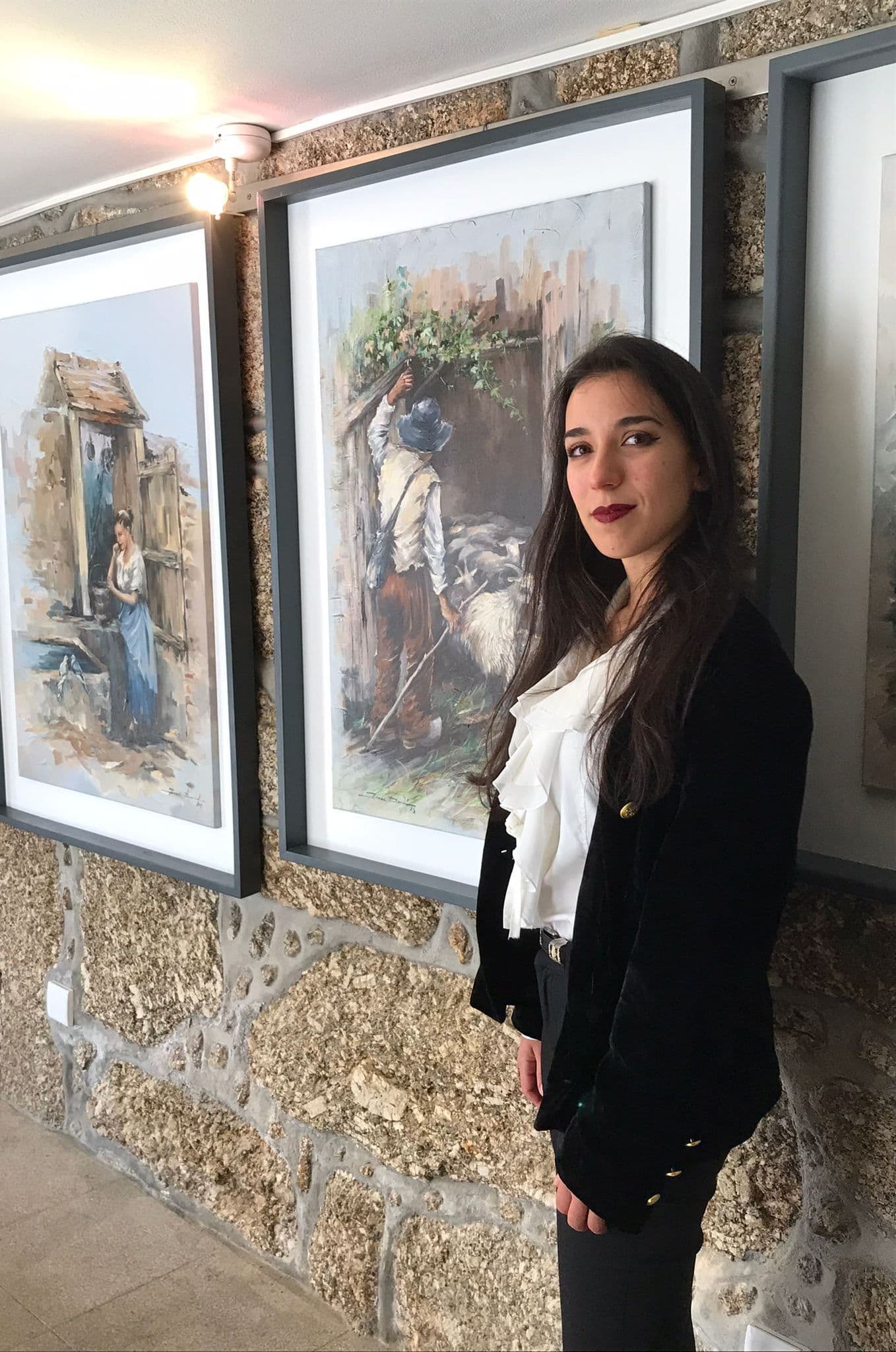
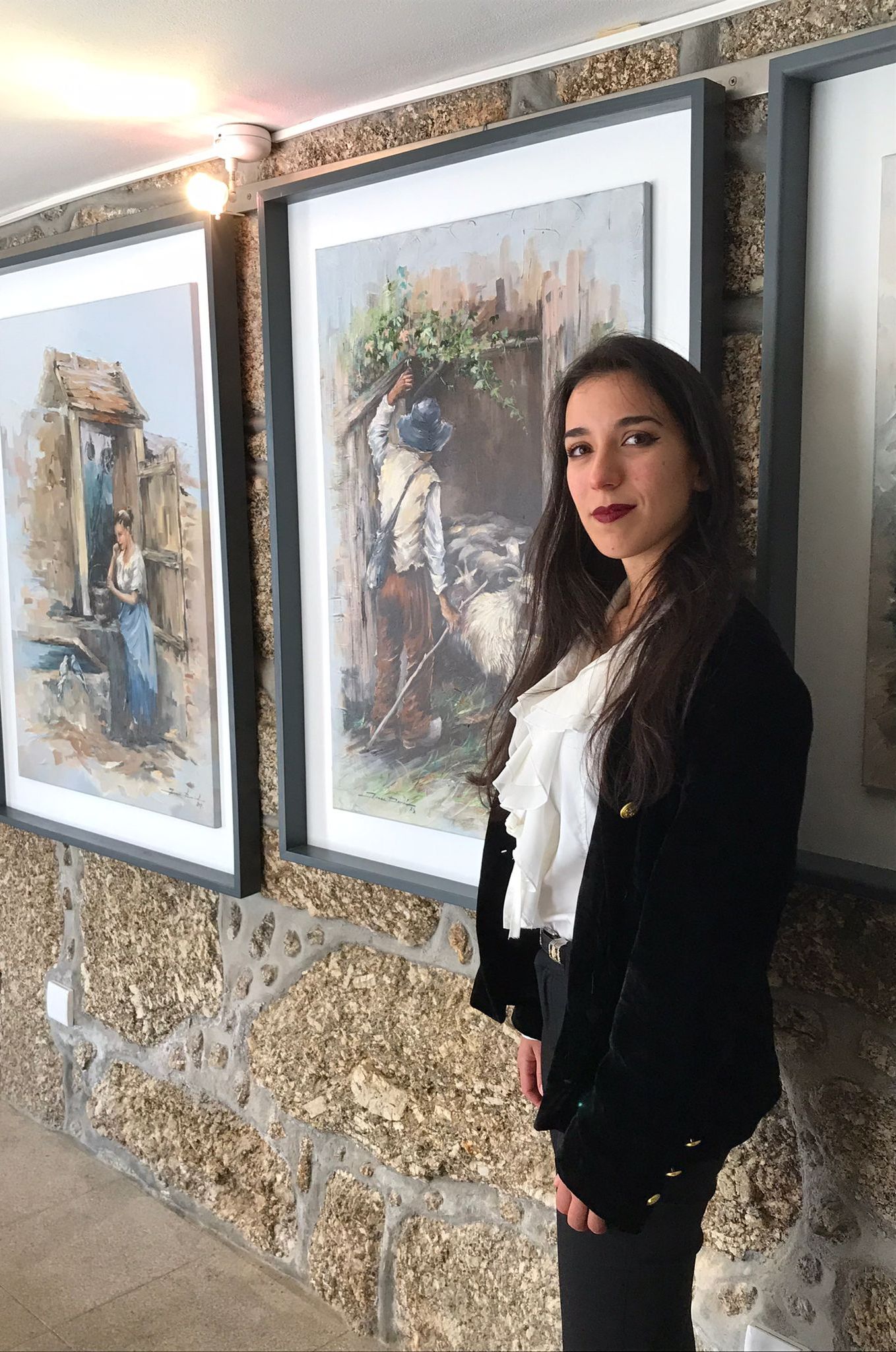 Joana David is a visual artist and illustrator born in Aveiro who is dedicated both to artistic creation and to training new talent.
She studied at the Aveiro Academy of Fine Arts and developed her own visual language, with a style anchored in the Portuguese artistic tradition and the exploration of mixed techniques, painting and illustration.
She was a trainer at the Portuguese Academy of Fine Arts and has taken part in numerous exhibitions. She also completed an artist residency in Finland.
She is co-founder of Art Academy, together with David Serra, in Tábua, dedicated to art education, visual experimentation and cultural promotion. She also organises events that foster dialogue between creators and the public.
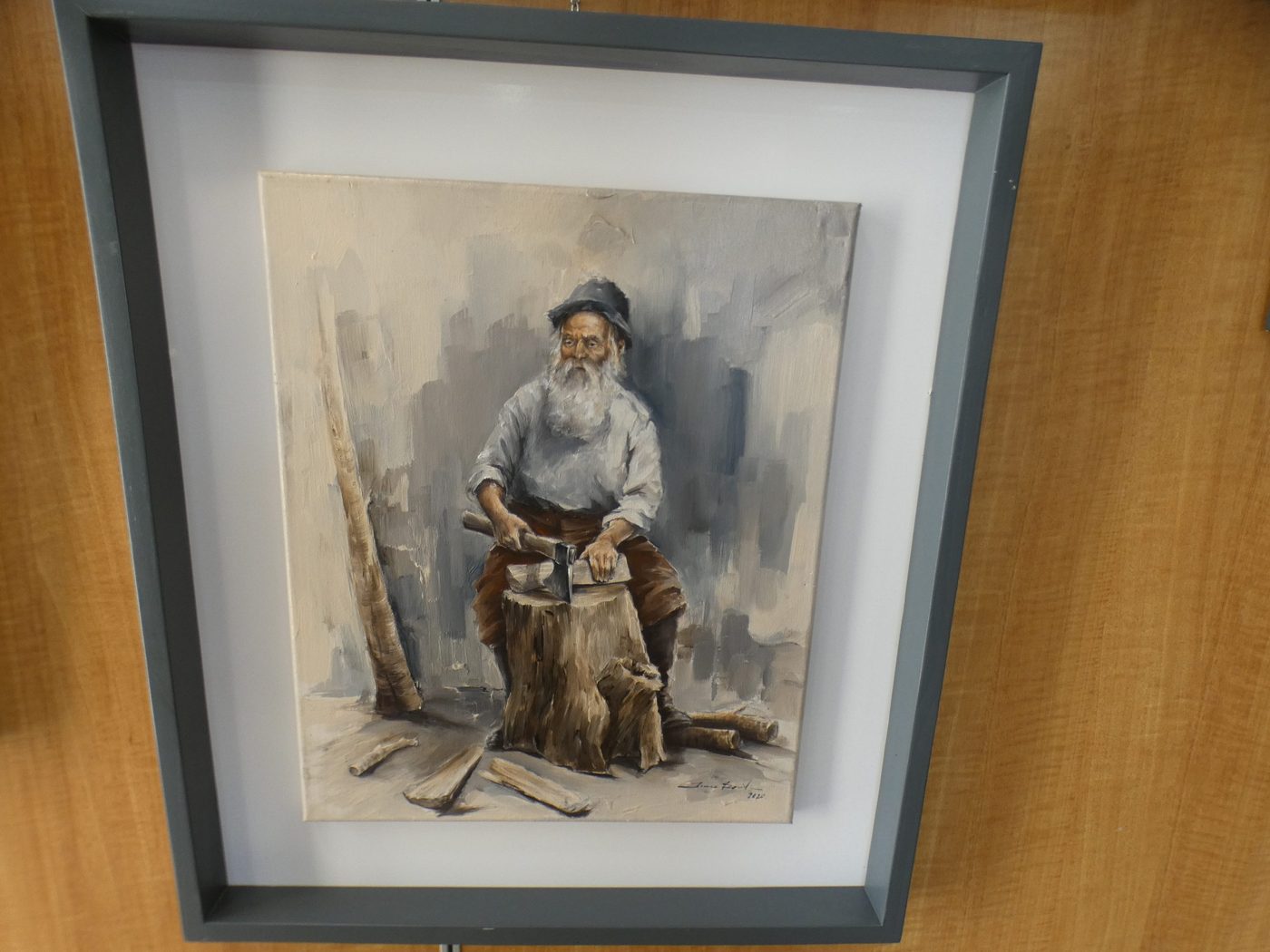
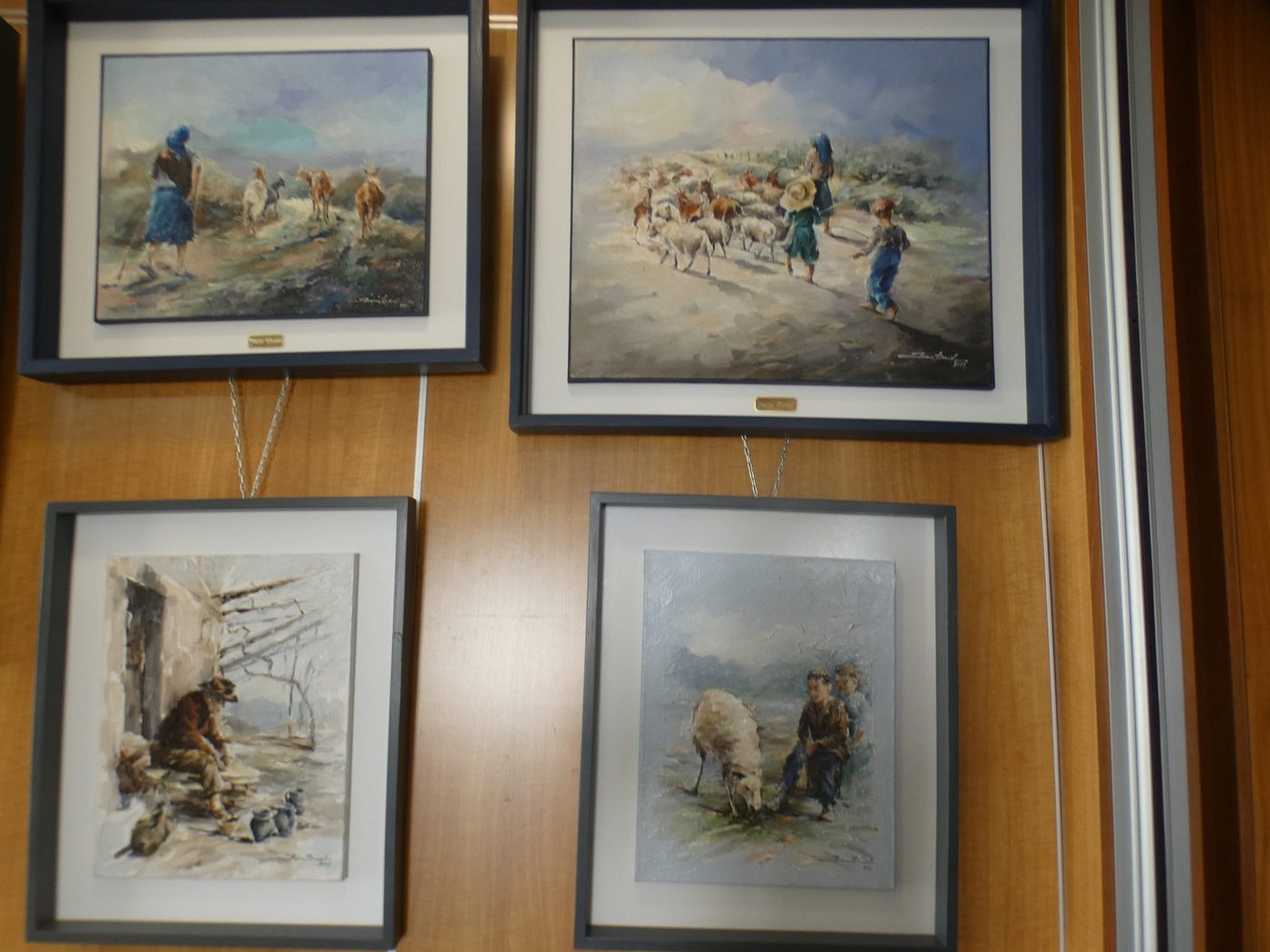
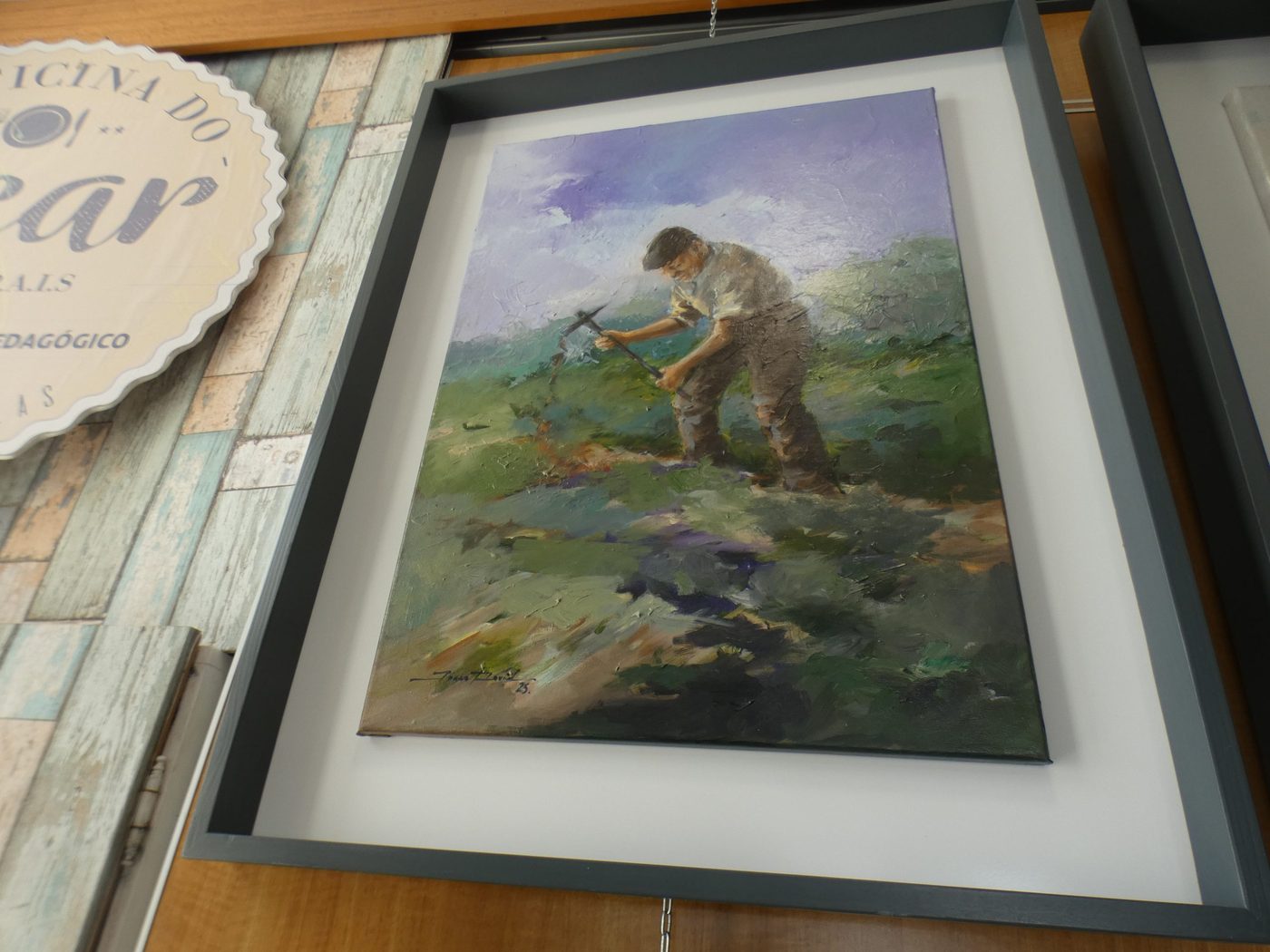
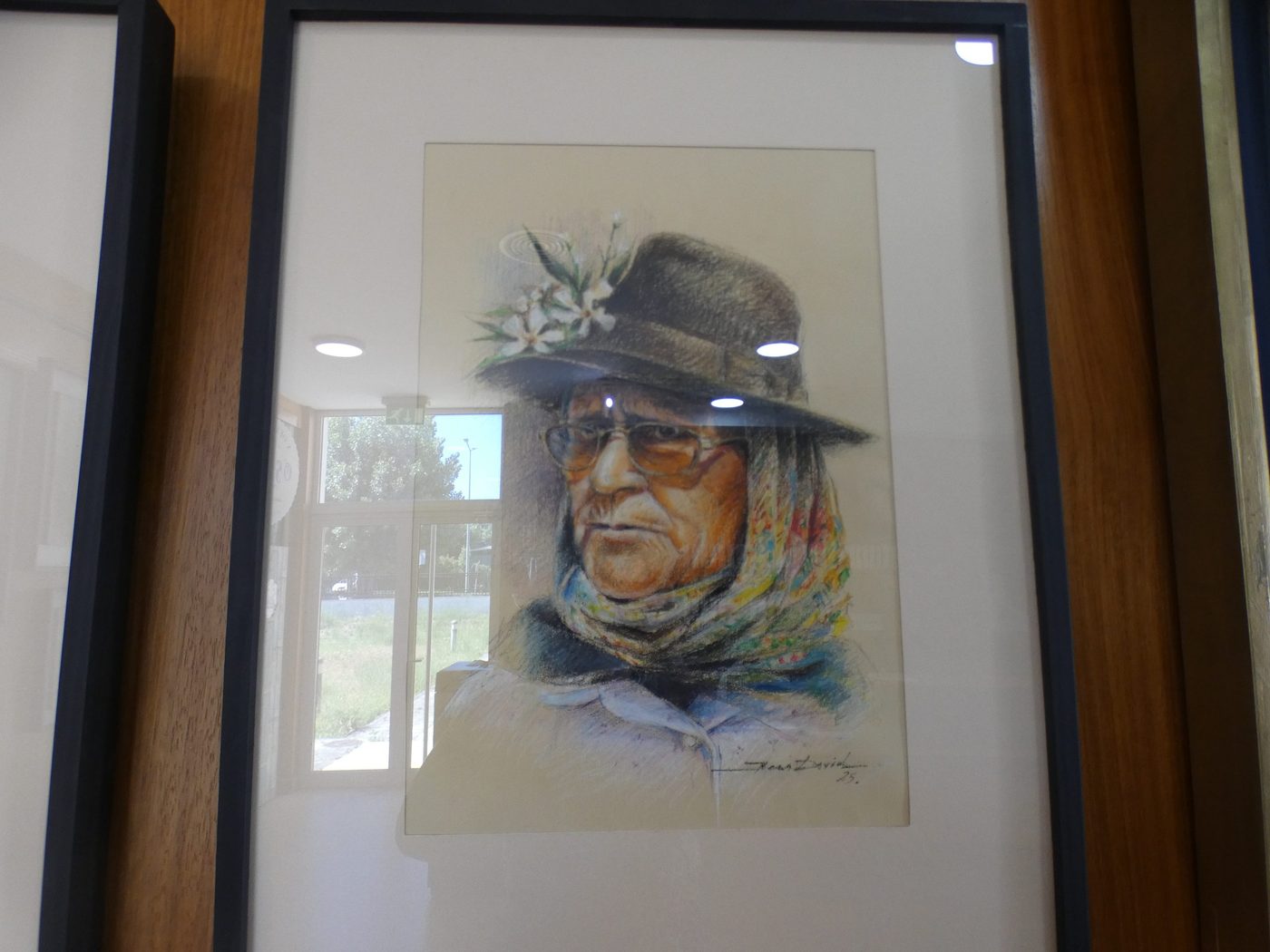
"Bucolic Emotions", on display at the António Lobo Antunes Library in Nelas until the end of August, is an invitation to return to the world of our ancestors. "To memories of a remote, rural childhood, where human and animal toil worked in perfect synergy with Nature", as the artist describes it.
We went to talk with Joana David to learn about her inspirations and how Art can influence our mental health, with the concept of Art Therapy in mind.
Joana David is a visual artist and illustrator born in Aveiro who is dedicated both to artistic creation and to training new talent.
She studied at the Aveiro Academy of Fine Arts and developed her own visual language, with a style anchored in the Portuguese artistic tradition and the exploration of mixed techniques, painting and illustration.
She was a trainer at the Portuguese Academy of Fine Arts and has taken part in numerous exhibitions. She also completed an artist residency in Finland.
She is co-founder of Art Academy, together with David Serra, in Tábua, dedicated to art education, visual experimentation and cultural promotion. She also organises events that foster dialogue between creators and the public.
"Bucolic Emotions", on display at the António Lobo Antunes Library in Nelas until the end of August, is an invitation to return to the world of our ancestors. "To memories of a remote, rural childhood, where human and animal toil worked in perfect synergy with Nature", as the artist describes it.
We went to talk with Joana David to learn about her inspirations and how Art can influence our mental health, with the concept of Art Therapy in mind.
1. Joana, how did your love for visual art and illustration begin?
JD: I believe my love for Art began in the most remote childhood, in a gesture so instinctive and natural that I don't remember its beginning — I'd venture to say I was born with this love already in my soul. As for illustration, I fell in love with the possibility of creating stories and fantastical worlds capable of going beyond the visible world, allowing for a harmonious connection between the world of images and the world of words.2. Which artists most influenced your training?
JD: I essentially find inspiration in the Masters of Portuguese Naturalism, such as Carlos Reis, Silva Porto, Henrique Medina, José Malhoa, among others. I remember perfectly the first "real Painter" I met, back in childhood — José Rodrigues dos Santos, from my hometown, who faithfully painted the landscapes of the Caima River. Later, I joined the Aveiro Academy of Fine Arts, where I trained professionally under Master David Serra, learning and refining a wide range of Drawing and Painting techniques. As for international artists, I have a particular fondness for Ivan Aivazovsky, Rosa Bonheur and Albert Edelfelt.3. This exhibition, "Bucolic Emotions", evokes nature, rural landscapes and their workers — people who could be our grandfathers or grandmothers. There's also a painting reminiscent of "The Boy with a Tear". Could you tell us a little about how this piece came about?
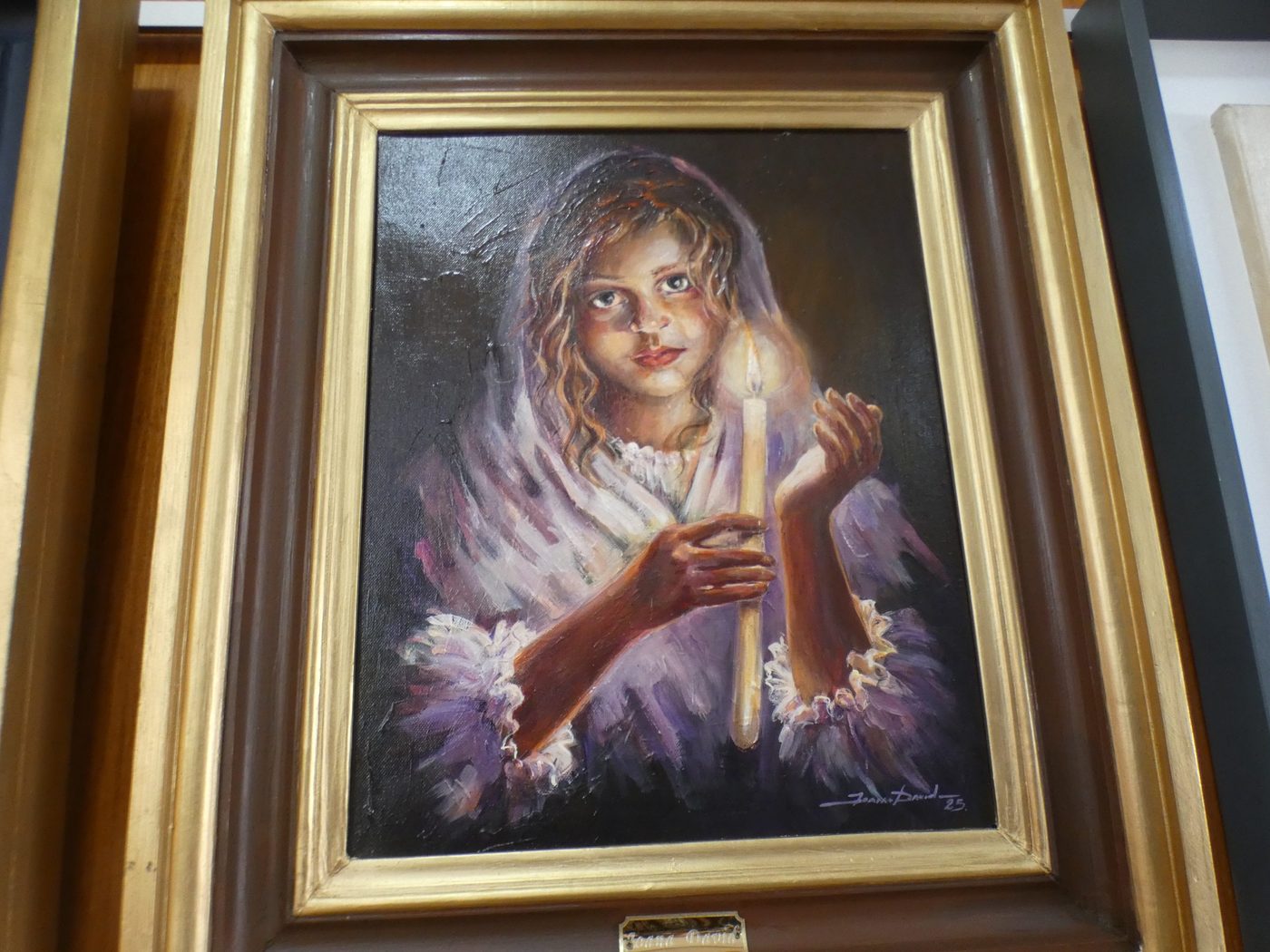
JD: The painting exhibition Bucolic Emotions was conceived with the purpose of evoking memories of a remote, rural childhood, so universal to the Portuguese people. The crafts and trades represented here could well be our parents or grandparents, in a simple attempt to bring to life, to linger a little longer on, those fleeting but so complete moments, when human and animal toil worked in perfect synergy with Nature. Our ancestors still live on in these memories, even as they slowly fade in the sands of time — but the legacy remains... It's curious that you mentioned a piece that bears some resemblance to "The Boy with a Tear" — although it wasn't intentional, on closer observation I realised that the children of the past, whom I particularly enjoy depicting, almost always have a rather grave, sorrowful look about them, hence the inevitable resemblance. Those anonymous people and children deserve to live on a little beyond the fleeting moment, and to be turned into Art. That was my intent.4. In your opinion, what makes someone a good illustrator, a good visual artist?
Beyond rigorous technique and the constant pursuit of improvement, it's definitely the "Soul" and the intention we mean to convey — that ability to "capture" emotions on canvas or paper is of unparalleled importance.5. How do you see the connection between art and mental health — can art be therapeutic?
Absolutely! Art and therapy are, in my view, inseparable. In my particular case, beyond being my profession, I feel it's sometimes a very healthy form of abstraction, and even of meditation. As a teacher in this field, I also see that students who once struggled with depression, or anxiety, attention deficit, autism spectrum conditions and the like, find in art a refuge and a tool that lets them approach life with more joy and even efficiency, easing their characteristic symptoms. They find emotional regulation through Art, and it's extremely rewarding to witness this transformation. Art is, therefore, a true and wonderfully colourful therapy — I highly recommend it!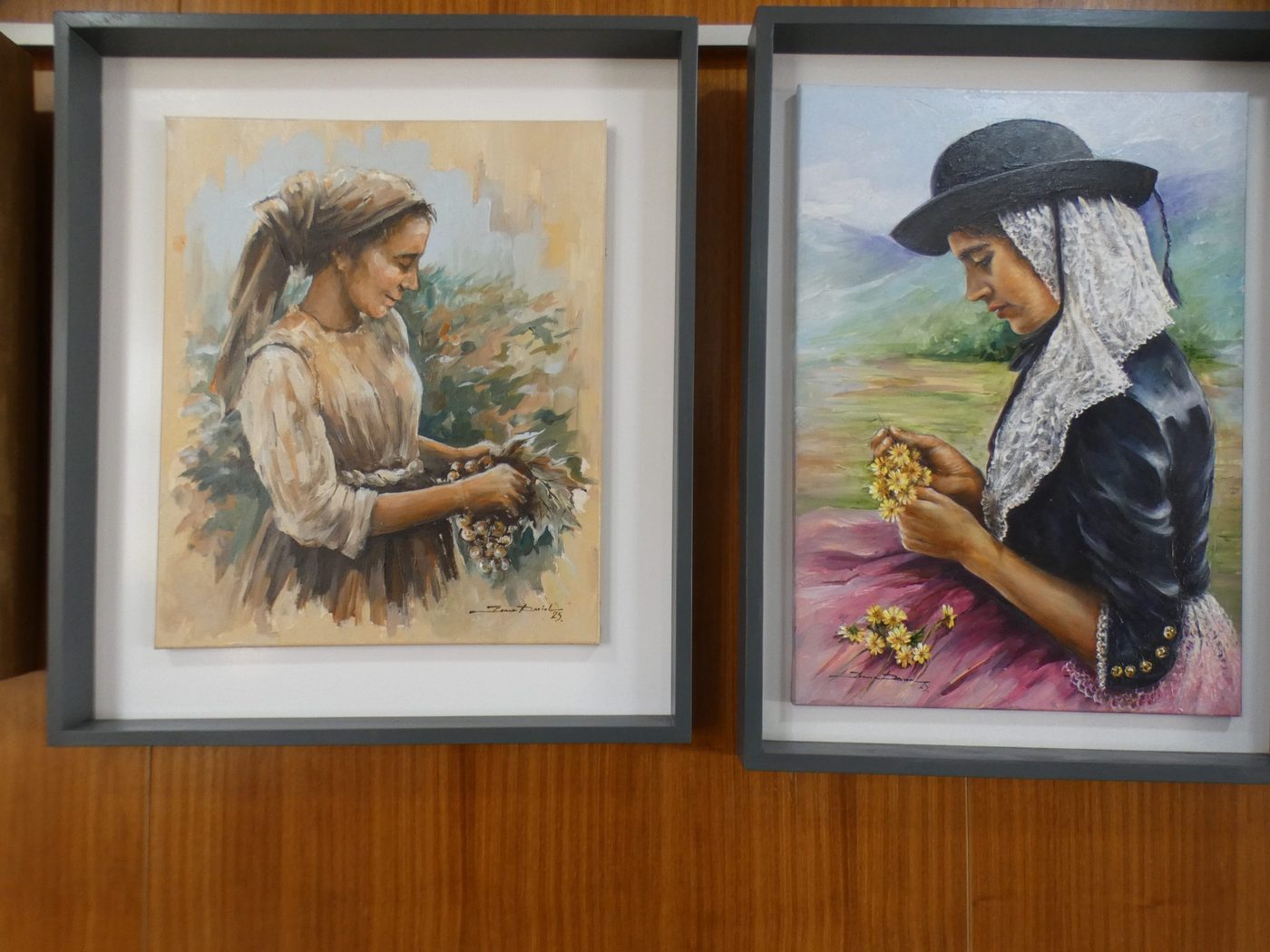
Paula Cristina Gouveia