
Interview with Tânia Vargas: "The problem isn't having a disability, the problem is the obstacles our society puts in the way"
18 June 2026 · 12 min read
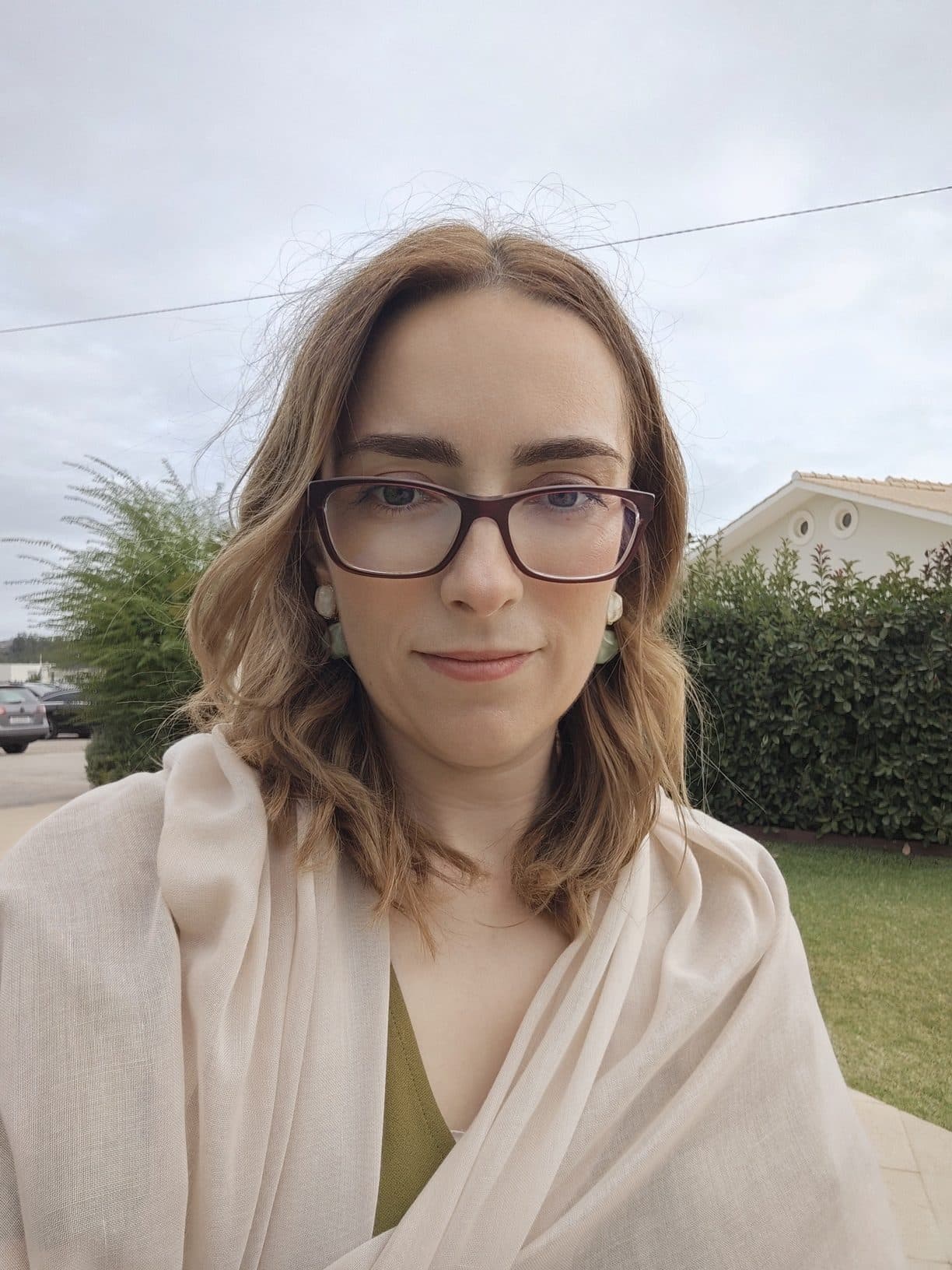
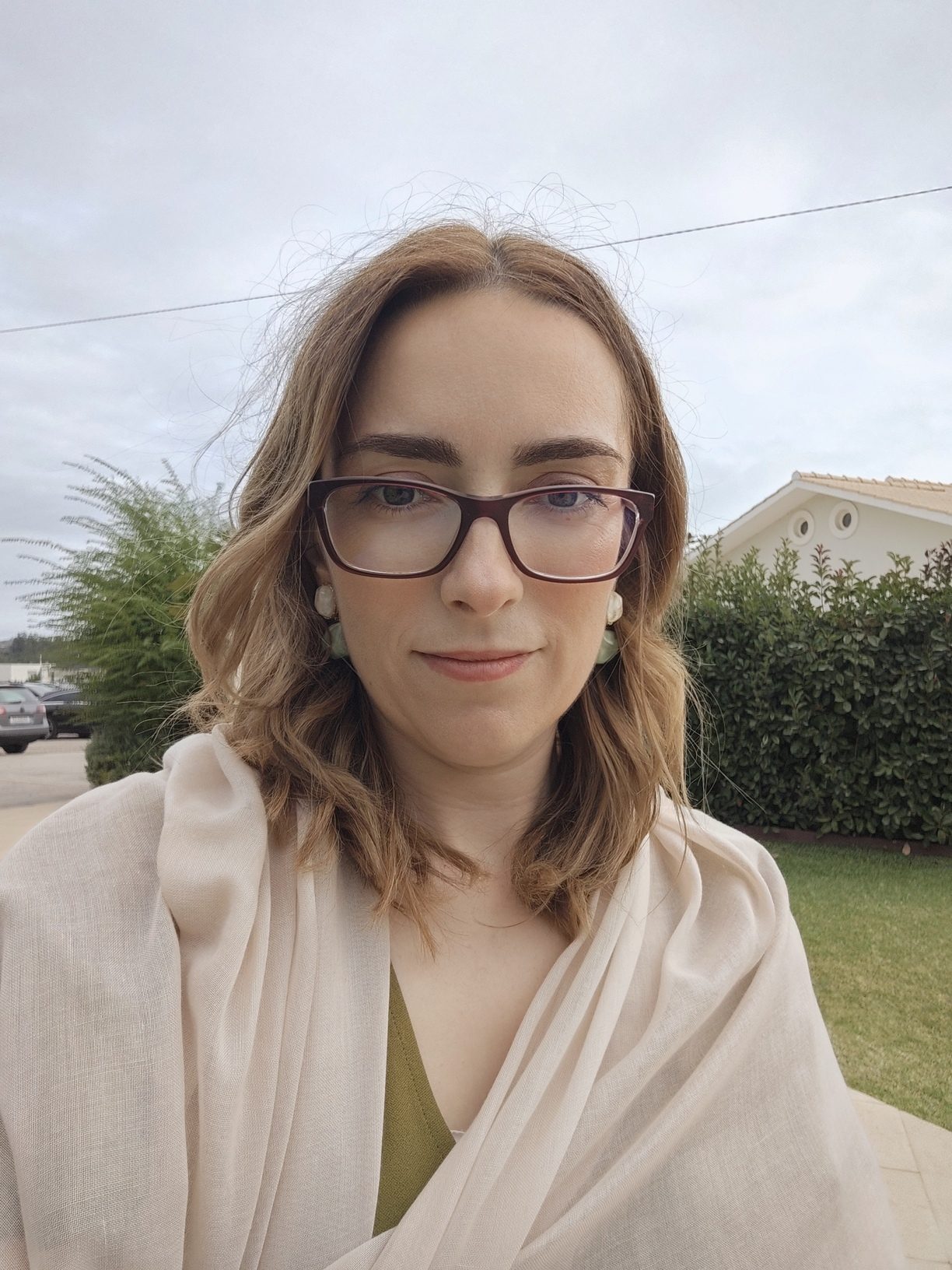
Tânia Vargas created the Facebook page Mundo do Gonçalinho, which has 17,000 followers and discusses the conditions affecting her firstborn son. But she is also the mother of Alice and Gabriel, a wife, daughter and sister. A restless mind, always studying and searching for answers, who makes information — sometimes quite technical — more accessible to others. She is behind the OPIINE movement, still taking shape, and part of the community Mães, Pais e Cuidadores de Crianças com Necessidades Específicas (Mothers, Fathers and Carers of Children with Specific Needs).
We got to know her better.
1. Tânia, could you tell us more about Gonçalo's health conditions, and what led you to create a page that so many parents, carers and people in general identify with and find support in? Gonçalo has Osteogenesis Imperfecta type IV and Ehlers-Danlos Syndrome, arthrochalasia type (type 7), two rare conditions that mainly affect collagen and, as a result, the structure of the body. In practice, this means fragile bones, unstable joints and muscles, pain, motor limitations, several affected systems (respiratory, cardiac, hearing, etc.) and constant medical follow-up due to other comorbidities. On top of that, Gonçalo is autistic and has severe allergies, some involving anaphylaxis. The Mundo do Gonçalinho page was born almost out of necessity. At first, it was a way of explaining to family and friends what was going on, because it was all very hard to convey in casual conversation. Over time, I realised that what I was writing wasn't just about our reality. It was also about the reality of many parents who felt lost, tired, alone, and often unheard. I never created the page with the intention of being "inspiring". If anything, I have to admit that this idea of inspiration and being a "warrior" is a label that gets applied far too easily, and one I don't identify with. I created it because there was a concrete story, a concrete child, a concrete family, and because I realised that naming things helps. It helps inform, it helps normalise, it helps build community, and in many cases, it helps other families realise they aren't alone. 2. Is Gonçalo, to you, an example of resilience who is still, above all, just a child who wants to smile, play and dream? Gonçalo is resilient, but I'm a little careful with that word, because sometimes society likes to call "resilience" what is, in fact, a child having to deal with things no child should have to face. He's very strong, of course. He's already been through surgeries, fractures, limitations and many hours in hospital settings, but that's his story to tell, not mine. Before being an example of anything, Gonçalo is a child. A child who wants to play, laugh, learn, ask questions, have friends, live his childhood. And that's what I try never to lose sight of. The goal isn't to turn Gonçalo into a symbol, or his disability into something to pity or find inspiring. Again, the romanticising of "overcoming adversity" is something we should rethink, turning our attention instead to the real obstacles in today's society. We want to make sure he has the right to just be a boy, even when life demands a maturity from him that it shouldn't. 3. How do you see the nature versus nurture debate? On that note, how do you generally view innate versus acquired abilities — with determinism, or with hope and more flexibility? I look at that debate very cautiously. I think it's dangerous to fall into extremes. There are traits we're born with, there are predispositions, there are real limits, there are conditions that don't disappear just because we want them to badly enough or because we work hard. I live that closely, every day."Naming things helps. It helps other families realise they aren't alone"
"We need to create the conditions for each person to go as far as possible within their own reality"
But I also deeply believe in the impact of context, of opportunities, of the right intervention, of how we look at a child and what we expect from them. Not in the romantic sense of "anything is possible", because that's unfair, but in the sense that the environment can open or close doors. And I strongly believe in early intervention — not to "fix" a child, but to give them tools, access, communication, autonomy and real opportunities to participate, respecting their own pace, abilities and way of being in the world. At the same time, the responsibility can't rest on the child or the family alone: society, schools, services and the State also have a duty to remove obstacles and create the conditions for that participation to be possible.
For me, it's not determinism, but it isn't naivety either. It's a mix of realism and hope. There are things that don't change, but there are many ways to support, adapt, teach, protect, and create the conditions for each person to go as far as possible within their own reality.
4. Regarding inclusion, in your words it's "creating space for every child to live their childhood with dignity, respect and real opportunities". Are we still far from that definition? Yes, we're still very far from it. We talk a lot about inclusion, but we often still confuse presence with inclusion. A child being physically in a space doesn't mean they're truly included. To include isn't just to let someone in — you have to ensure that child can participate, belong, learn, play and be respected without always depending on someone's goodwill. It means thinking about access, adaptations, pacing, communication, safety, sensory needs, food, mobility, rest, among many other things that should be guided by those who live them day to day. And above all, it means no longer seeing inclusion as a favour. Inclusion is a right. As long as people with disabilities and their families have to fight, explain, insist, and practically ask permission to have the basics, we're not yet where we should be."As long as people with disabilities still have to practically ask permission to have the basics, we're not yet where we should be"
5. Could you tell us how OPIINE came about in your life? OPIINE stems largely from that experience of being on both sides: as a mother and carer, but also as someone with a background and deep interest in public policy, social rights, communication and systems. Over the years, I've realised that many families don't fall behind for lack of effort. They fall behind because systems are complex, unclear, not very human, and often don't communicate with each other. There are rights that exist on paper but are difficult to access in practice. How many people never reach a certain service because one more form is missing? There are exhausted people and families who need answers, not more mazes. There's a lack of information, and often, a lack of will. OPIINE, a movement still taking shape, comes from that desire to build something more structured: a platform, a voice, a space for action that brings together technical knowledge, real experience and advocacy. It doesn't come only from my personal story, but it's inevitably shaped by it: by the experience of raising a child with complex needs, by realising there are different needs even within the same family, and also by my own experience with chronic illness. All of this makes it very clear how the health, education and social security systems are still hard to navigate for those already managing complex realities. It's unfortunately still on paper, but it takes shape in the community "Mães, Pais e Cuidadores de Crianças com Necessidades Específicas" (Mothers, Fathers and Carers of Children with Specific Needs), where we've created a community to share information, guides, real experiences and whatever support is possible, amid the hectic life of those also juggling their children's therapies, appointments and everything that entails. Eventually, in the future, it will evolve. 6. Do you feel legal bureaucracy is an obstacle for people with chronic conditions, who may be entitled to a multi-purpose disability certificate, in understanding the related procedures? Is there a lack of information on the individual's part? Or both? It's both, but I'd be careful about placing too much responsibility on the individual. Of course there's a lack of information, but often that lack of information exists because the information itself doesn't arrive clearly, accessibly and on time. People are tired, worried, often overwhelmed with appointments, exams, work, children, diagnoses or the absence of them. And then they're expected to master legislation, procedures, forms, medical boards, percentages, deadlines and appeals. That's very unrealistic and inhumane. Bureaucracy, in Portugal, remains a huge social filter. Those with more literacy, more time, more support, or more capacity to keep pushing manage to get further. Those who don't often give up, or don't even know they might be entitled to anything — which is what led me to create the community I mentioned earlier. I believe there's a lack of people to inform others, especially with patience, knowledge and empathy. Above all, there's a system that still places too much responsibility on those already in a vulnerable situation. Sometimes a simple leaflet in a hospital is enough to inform people of the first steps."OPIINE, a movement still taking shape, comes from that desire to build something more structured: a platform, a voice, a space for action that brings together technical knowledge, real experience and advocacy"
7. What has your work as a consultant on social and disability issues been like? Is using your extensive research and personal experience to help others something that fulfils you, in a world that can be so complex and emotionally draining? It isn't a formal consultancy role, but rather a path of research, learning, action and very concrete experience in this field, which led me to inform others."I find fulfilment in the idea of being able to turn experience into knowledge, awareness and action. To help create more information, more clarity, and ideally, fairer outcomes for families and people with disabilities"
Over the past few years, I've built up a great deal of knowledge about disability, social rights, health, school, support services, bureaucracy and access to services. Largely, that came out of necessity: when you have a child with complex needs, you're forced to learn, to interpret, to question and to search for paths forward. Another part comes from my own academic background, which made it easier to understand legislation and systems.
But over time, this path also became an area of enormous interest to me. It's a complex and emotionally demanding world, no doubt, because we're talking about real lives, tired families, and rights that often exist on paper but are hard to put into practice.
Even so, I find fulfilment in the idea of being able to turn experience into knowledge, awareness and action. Not in the sense of speaking for others, because every experience is different, but in contributing to more information, more clarity, and ideally, fairer outcomes for families and people with disabilities.
I've been involved in several communities and initiatives, the latest of which brought proposals to amend the legislation on childhood disability support to the Ministry of Labour, through Os 230.
Still, in the middle of all this, I'm just one more person among so many others making their way through the obstacles our society puts up. Yes, because the problem isn't having a disability — the problem is these very obstacles. 8. From your involvement with the Sociedade Filarmónica de Serpa, the town where you're from, to your master's in International Relations with studies in Digital and Strategic Marketing, as well as biomedical sciences and healthcare... do you feel each experience you live organically feeds and energises the others? Yes, completely. Sometimes, looking from the outside, my path might seem a bit non-linear. But for me there's a very clear common thread: communication, analysis, systems, people and impact. Music taught me discipline, sensitivity and teamwork. My degree and master's in International Relations gave me a broader view of power, institutions, rights and inequalities. My master's in marketing and strategic communication taught me to communicate better, to understand audiences, narratives and strategies. Healthcare entered my life out of necessity, but it also became a field of study, because when you have children with complex needs, you quickly realise you need to understand things in order to decide, question and protect. I recently finished training as an Advocacy Strategist, which ends up being a role I've also taken on. These latest courses were done in whatever pockets of time were available: between caring for my children, attending therapies and appointments, and managing everything else in life — often at odd hours of the morning. None of this is separate. Each experience added a layer. Today, when I think about disability, health, public policy or communication, I always think through all these lenses at once. 9. How would you define yourself in three words? Determined, analytical and restless. Determined, because when something important is at stake, I rarely give up. Analytical, because I need to understand, structure and get to the bottom of things, and I have little patience for vague answers. Restless, because I'm always thinking, searching, questioning and trying to figure out how things can be done better. 10. What do you wish for this year, 2026? I wish for stability. It sounds like a simple word, but for a family like ours it means a great deal. I wish for my children to be well, for Gonçalo to keep growing with safety, dignity and joy, and for Alice and Gabriel to also have the space, attention and answers they deserve. Above all, I wish that we, as a family, could breathe a little more. On a personal and professional level, I'd like 2026 to be a year of consolidation. Building with more intention, turning experience into structured work, continuing to grow without losing sight of what's essential. Deep down, I wish for health, clarity, real opportunities, and some peace. Because sometimes, that's what's needed most.
Paula Cristina Gouveia